All about Trionda, Adidas' ball for the 2026 World Cup: More rounds of testing, AI advancements
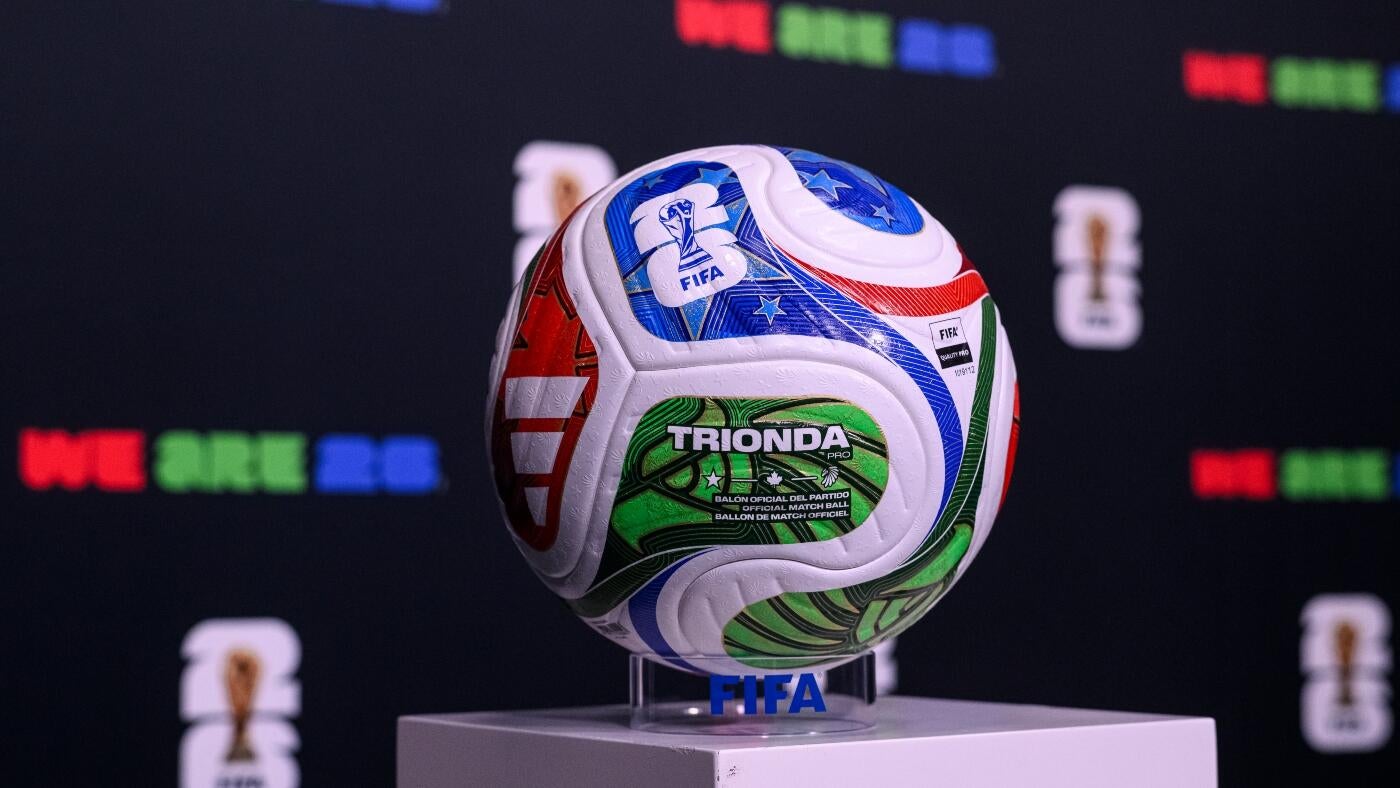
Trionda: Adidas’ Revolutionary Ball for the 2026 World Cup
When the world turns its eyes to the 2026 FIFA World Cup in the United States, Canada, and Mexico, the spotlight won’t just be on the players — it will also shine on Trionda, Adidas’ official match ball. Combining futuristic design, extensive testing, and artificial intelligence, Trionda promises to be the most advanced World Cup ball ever created.
What’s Behind the Name?
The name Trionda blends tri (three) with onda (Spanish for “wave†or “vibeâ€), symbolizing the three host nations and the flowing, wave-like design on its surface. The ball incorporates red, blue, and green — representing the U.S., Canada, and Mexico — along with subtle details like a maple leaf, an eagle, and a star. Golden finishes reference the glory of the World Cup trophy itself.
Tested Like Never Before
Adidas calls Trionda its most tested World Cup ball to date. Why? Because the 2026 tournament covers diverse climates and altitudes, from Mexico City’s high elevation to Vancouver’s coastal humidity.
Lab simulations replicated heat, humidity, and altitude.
Field trials in 7 host cities ensured the ball’s consistency across real conditions.
Aerodynamic design: Trionda is built with just four curved panels, the fewest ever in a World Cup ball. This reduces seams, improves flight stability, and keeps swerves predictable.
The goal was simple: make sure the ball feels the same no matter where it’s played.
Smart Tech Inside: AI Meets Football
Beyond its design, Trionda features Connected Ball technology, making it smarter than any ball before.
A 500 Hz motion sensor tracks speed, spin, and trajectory in real time.
The sensor is side-mounted to reduce imbalance and unnoticed by players during matches.
Data streams instantly to VAR systems, helping referees make faster, more accurate offside and touchline decisions.
AI integration helps filter noise and interpret data, ensuring clear, reliable insights during the world’s biggest games.
This makes Trionda not just a ball, but a data-driven tool for fairness and transparency.
Lessons from the Past
World Cup balls are often remembered — and debated:
Jabulani (2010) was criticized for erratic flight.
Brazuca (2014) earned praise for predictability.
Al Rihla (2022) introduced sustainability and the first chip technology.
Trionda builds on these lessons, aiming to deliver consistency, performance, and innovation without controversy.
The Future of Footballs
Trionda signals a new era where the ball is more than equipment: it’s part of the game’s infrastructure. Expect future innovations like:
Smarter sensors for even richer analytics.
Region-specific ball designs tailored to climate.
Enhanced fan experiences with real-time ball data shown during broadcasts.
Final Thoughts
The 2026 World Cup will be historic — spanning three countries for the first time. With Trionda, Adidas isn’t just designing a ball; it’s shaping how the game will be played, judged, and experienced.
Whether players and fans embrace its bold look and AI-powered features remains to be seen, but one thing is certain: Trionda is rolling football into the future.


Comments
Post a Comment