All Blacks beat Ireland in Chicago after controversial Beirne red card
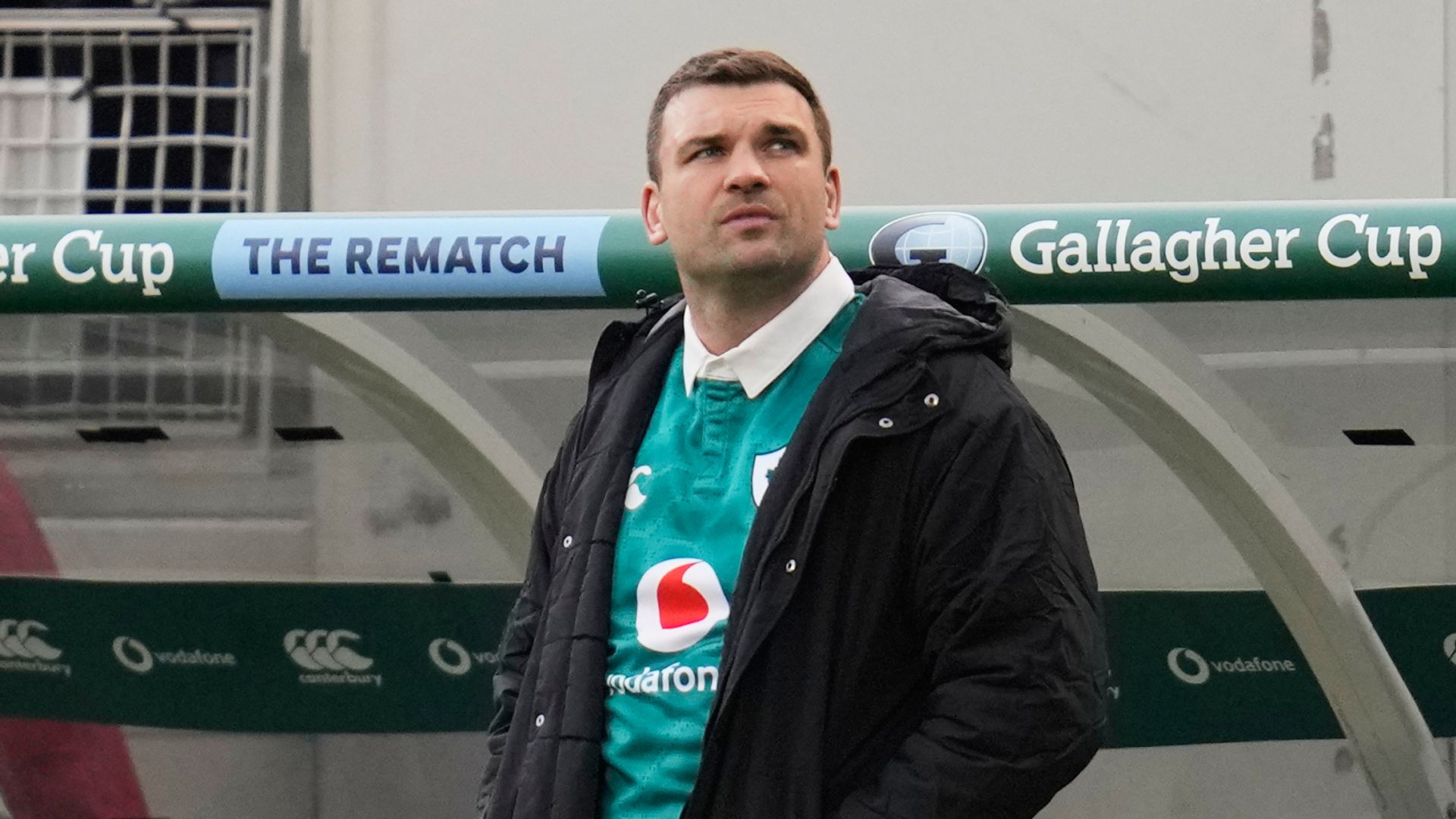
**All Blacks Beat Ireland in Chicago After Controversial Beirne Red Card**
In a thrilling matchup at Soldier Field in Chicago, the renowned All Blacks of New Zealand clinched a hard-fought 26-13 victory over Ireland, delivering a poignant reminder of their dominance in international rugby. The match was not without controversy, primarily due to an early red card issued to Irish lock Tadhg Beirne, which fundamentally shifted the dynamics of the game.
As the whistle blew, both teams were energized, understanding the importance of this clash. For New Zealand, it was an opportunity for redemption after being shocked by Ireland in their previous encounter. For Ireland, the goal was to solidify its reputation as a rugby powerhouse and continue to assert its strength on the global stage. Early on, the contest displayed the grit and intensity expected from both sides, with powerful carries and intricate tactical play dominating the initial exchanges.
The narrative quickly took a sharp turn in the 20th minute when referee Luke Pearce brandished a red card towards Beirne after a high tackle review. The decision, viewed by many as somewhat contentious, left Ireland with just 14 men for the remainder of the match. Analysts and fans alike debated the call, considering the implications of such officiating in crucial games. While some argued that the tackling technique warranted a red, others felt it was too harsh for what could have been deemed an unfortunate collision rather than malicious intent.
With the numerical advantage in hand, New Zealand seized the opportunity to put heavy pressure on the Ireland defense. The All Blacks showed their trademark resilience and skill, executing set pieces with precision and maintaining possession through slick passing and powerful runs. Star fly-half Beauden Barrett orchestrated the play with his usual flair, managing to chip in with crucial points via penalties and converting tries scored by teammates.
The game became a case study in adaptability; despite being down a man, the Irish squad displayed commendable spirit. Under immense pressure, Ireland’s defensive line held strong, managing to contain the All Blacks for extended periods. However, the relentless pace of the New Zealand attack began to wear down the Irish defenders, leading to tries from Ardie Savea and Will Jordan, which extended their lead to a comfortable margin.
As the contest progressed, Ireland retaliated with a valiant team effort, eventually scoring a well-deserved try from Mack Hansen, which served as a reminder of their capability to compete even when outnumbered. However, the clock was not on their side; they needed more than just a single score to secure the victory, and the All Blacks' experience shone through as they closed out the match effectively.
The final whistle saw New Zealand celebrate a satisfying victory that not only avenged their previous defeat but also reasserted their status as one of rugby's elite teams. Conversely, the Irish contingent left Soldier Field with a mixture of pride and disappointment, having shown they could hold their own against the world champions even under challenging circumstances.
Moving forward, questions linger about officiating standards in high-stakes matches. The Beirne red card will no doubt be a talking point in the rugby community, sparking discussions around player safety, match integrity, and how critical decisions can alter the course of games. As the rugby world eagerly awaits the next encounters, this match will undoubtedly linger in memory as a testament to the passion, intensity, and unpredictability of rugby union.


Comments
Post a Comment