Alonso's Real revolution causing rift with stars
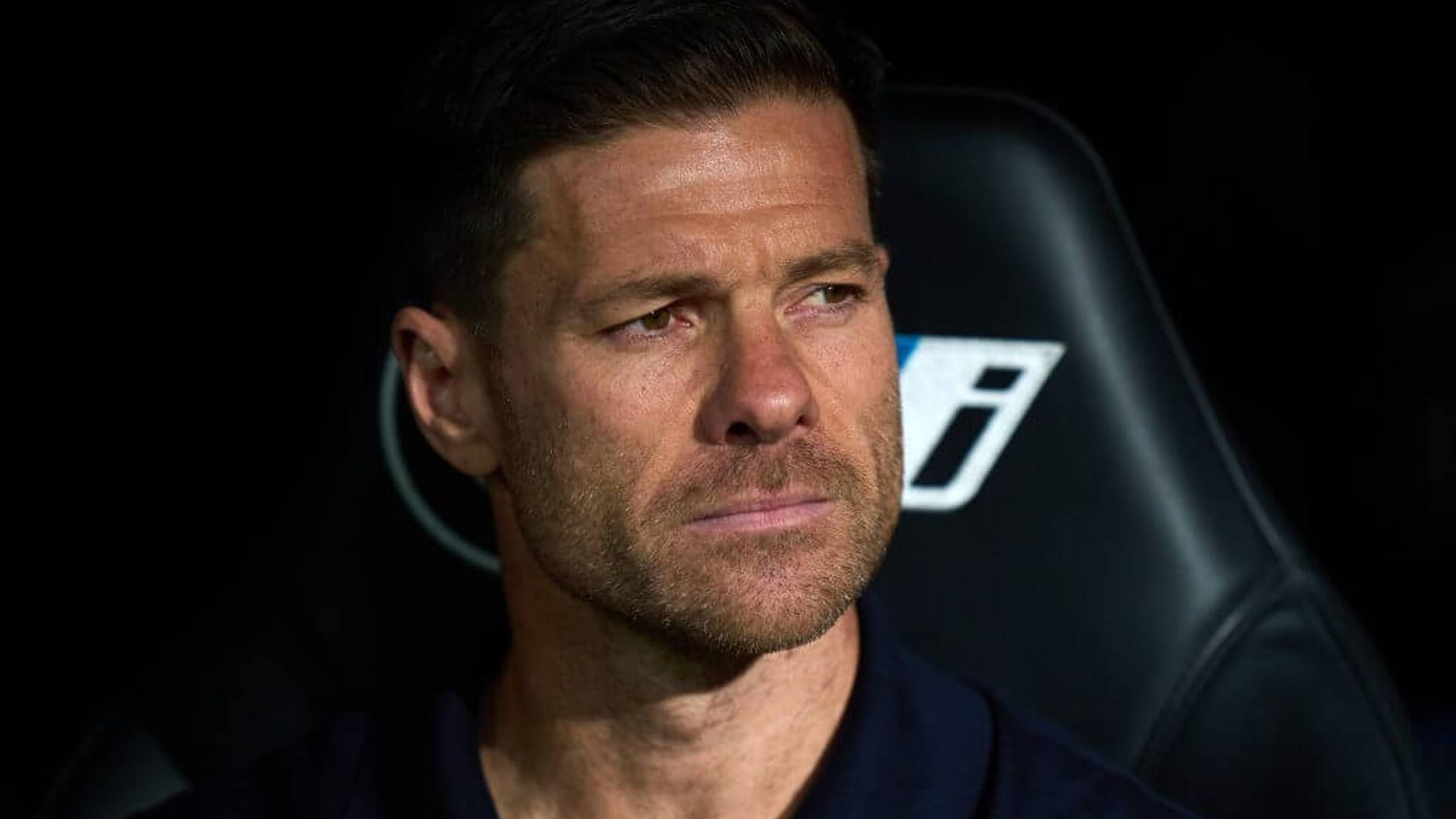
**Alonso's Real Revolution Causing Rift with Stars**
The anticipation for the latest chapter in the historic rivalry between Real Madrid and Barcelona was palpable. However, this Sunday’s clash held an additional layer of intrigue, as it marked a significant moment for Xabi Alonso, a former Real Madrid midfielder and current coach of Bayer Leverkusen. As the dust settles from this monumental fixture, it becomes increasingly apparent that Alonso’s revolutionary approach to football is causing ripples not only in the Bundesliga but potentially within the very fabric of Real Madrid’s locker room.
From the moment Alonso transitioned from player to coach, he demonstrated a keen tactical mind and an understanding of the game that belied his time on the pitch. His managing style at Bayer Leverkusen has drawn attention for its progressive strategies—emphasizing attacking fluidity, high pressing, and a commitment to developing young talents. The fruits of his labor have been evident, with Leverkusen climbing the Bundesliga ranks and pushing for title contention.
However, this transformative style diverges from traditional philosophies long established at Real Madrid, a club deeply rooted in its legacy of Galácticos. This historical approach prioritizes star power and individual brilliance, evident in the club's previous strategies aimed at acquiring and deploying elite talent. But under Alonso’s influence and the flourishing tactics he’s showcased in Germany, we see a potential schism developing at the very heart of star-studded teams like Madrid.
As Real Madrid faced Barcelona this weekend, the match was more than just a title showdown—it also served as a barometer for evolving football philosophies. Speculations around the likes of players such as Karim Benzema and Luka Modrić sparked conversations about whether the classic Galáctico mentality still holds water in an age increasingly characterized by team cohesion and tactical harmony. Many of these stars, revered for their contributions, might find themselves butting heads with a new generation of coaches who advocate for a more collective approach to the game—a transition that Alonso symbolizes.
Furthermore, the rifts within the squad have led to varying degrees of discontent. For some of the older, established figures, a shift towards the type of game that prioritizes the team over individual stardom can feel counterintuitive to the legacy they have built—one that celebrates individual accolades and brilliance on the big stage. Recent performances have illustrated that adaptation to this new style might not come easily for players who have enjoyed their time as the focal point of the team and fans’ adoration.
The competition against Barcelona also highlighted a stark contrast in strategies. While Barcelona, under Xavi Hernandez, has embraced a possession-based philosophy peppered with a youthful vibrance, Real Madrid found themselves grappling with their identity. The clash was symbolic of a tactical evolution that teams like Leverkusen, under Alonso, are spearheading while attempting to navigate the traditions of clubs with histories as rich as Real Madrid’s.
As the dust clears from one of the biggest fixtures in football, it’s clear that Alonso's revolutionary tactics at Bayer Leverkusen are not just transforming teams in Germany; they could very well be projecting ripples across Europe and influencing the decisions of clubs steeped in tradition. The challenge for Real Madrid will be to embrace this imposing change without alienating the stars that have brought them glory while simultaneously preparing for a future that might look strikingly different—one that Xabi Alonso vividly embodies.


Comments
Post a Comment