Being dropped for Hampton 'felt unjust' - Earps
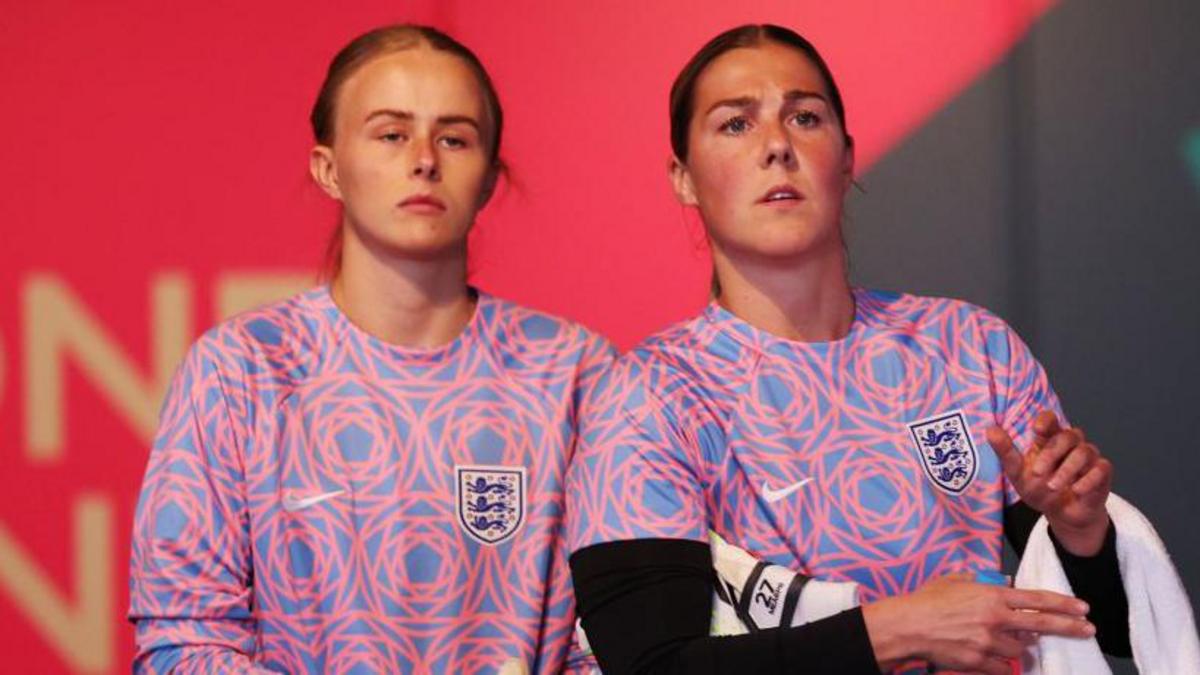
**Title: Being Dropped for Hampton 'Felt Unjust' - Earps**
In the world of competitive sports, emotions often run high, and decisions made by coaches can send ripples through a team. One particular incident has caught the attention of football fans and analysts alike—Mary Earps, the former England goalkeeper, sharing her thoughts on her teammate Hannah Hampton's return to the Lionesses squad. Earps didn’t hold back, claiming that the decision felt "unjust" and suggesting that it rewarded "bad behaviour."
The backdrop to this controversy features the Lionesses' head coach, Sarina Wiegman, a figure who has received significant praise for her leadership skills but has also had to navigate complex interpersonal dynamics within her squad. Hannah Hampton, a young and talented goalkeeper, was initially dropped from the national squad due to what some observers perceived as disciplinary issues. However, her recall has ignited debates around fairness and team dynamics.
Mary Earps, who enjoyed a stellar season and has been a pivotal figure for England, expressed her disappointment regarding the situation. She communicated her sentiments during a press conference, stating that Wiegman’s decision might send a dangerous message. By bringing Hampton back into the fold despite past transgressions, Earps suggested that the team could inadvertently be endorsing unacceptable behaviour.
"For me, it felt unjust," Earps said, reflecting on her own commitment to the squad and how hard she has worked to maintain her position. Such comments highlight the delicate balance that coaches must strike between nurturing young talent and upholding standards within the team. As a veteran player, Earps's insight sheds light on the inner workings of the Lionesses and their collective ethos.
From a tactical perspective, the decision to reintroduce Hampton could be seen as a calculated risk by Wiegman. As someone who is no stranger to intense competition, Wiegman might view Hampton’s return as an opportunity to harness her potential during crucial upcoming matches. After all, Hampton's skill set is undeniable; her agility and shot-stopping ability cannot be easily dismissed. Yet, Earps's argument emphasizes the importance of team cohesion and trust, suggesting that performance alone should dictate selection rather than previous behaviour.
The matter signifies deeper issues within sports psychology and team dynamics. Athletes, particularly at the international level, rely heavily on the support from fellow players. Each member of the team must feel valued and reassured that hard work and dedication will pave the way for opportunities. When players perceive decisions that contradict this ethos, it can lead to discontent and a fragmented team spirit.
The dilemma surrounding Earps and Hampton presents an opportunity for Wiegman to reassess her approach. As the Lionesses prepare for upcoming fixtures, ensuring that all players feel supported and that decisions are communicated effectively will be vital in maintaining team morale. Earps’s commentary serves as a reminder that every choice made by the coaching staff has the potential to impact team culture significantly.
In conclusion, the return of Hannah Hampton to the Lionesses squad has sparked a vital conversation about standards, behaviour, and selection criteria in sports. Mary Earps’s reflections reveal the emotional stakes involved in these decisions and compel us to consider the broader implications for teamwork and athlete development. As the Lionesses move forward, finding a path that balances nurturing emerging talent with upholding team integrity will be essential for their success on the international stage.


Comments
Post a Comment