Driver Villars challenges FIA election rules in French court
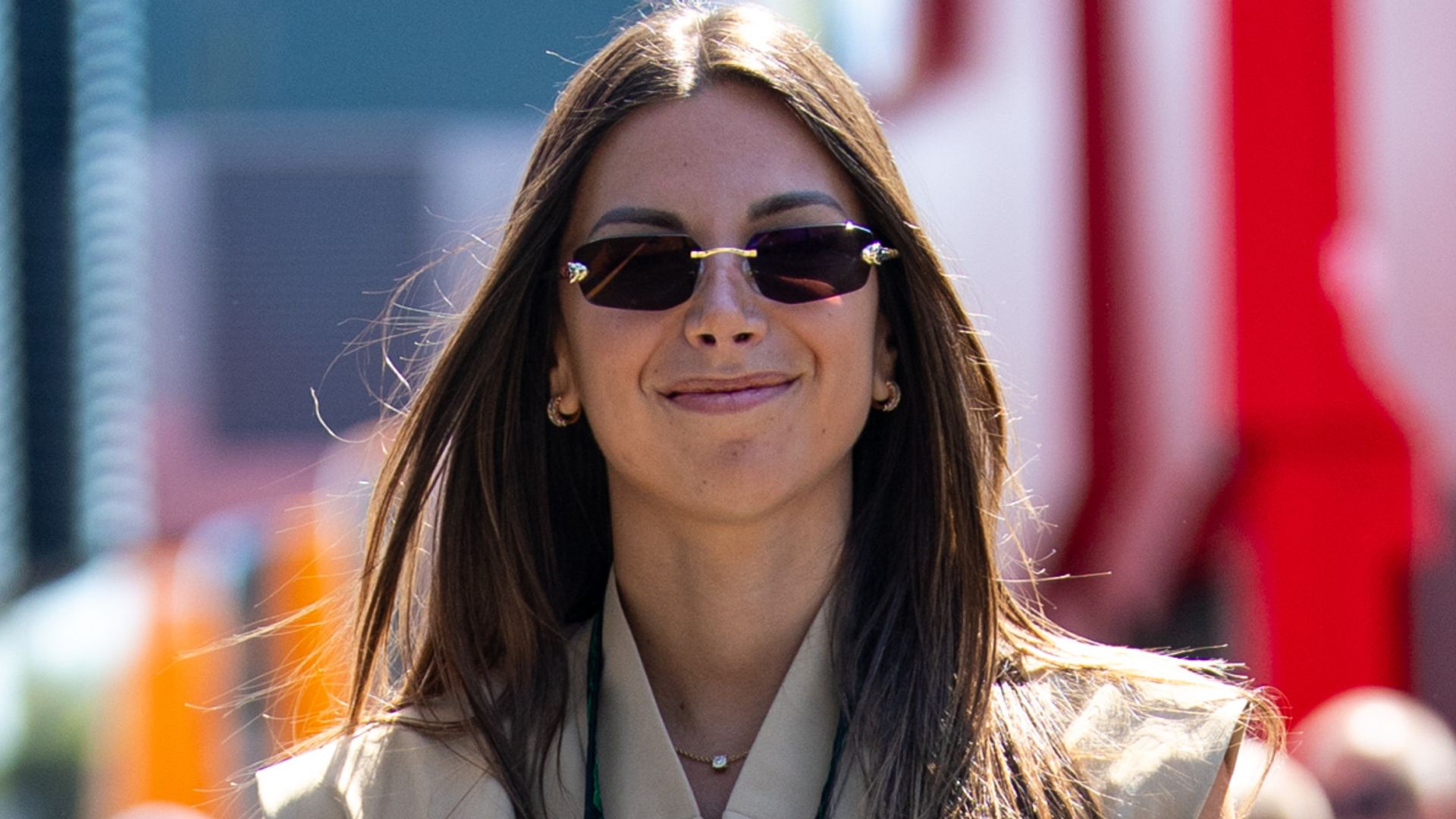
## Driver Villars Challenges FIA Election Rules in French Court
In a bold move that could reshape the landscape of motorsport governance, French racing driver Laura Villars has initiated legal proceedings to contest the regulations set by the Fédération Internationale de l'Automobile (FIA) that hindered her from running against president Mohammed Ben Sulayem in the upcoming elections. Villars’ appeal, filed in a French court, has drawn significant attention from various stakeholders across the motorsport community, igniting debates about fair representation and transparency within the FIA.
### Background of the Controversy
Laura Villars, known for her achievements in both circuit racing and rally competitions, was poised to become a significant voice in motorsport governance. However, the FIA's election rules stipulated specific criteria that she claims unfairly restricted her eligibility. These rules include mandates regarding experience in motorsport administration and affiliation with certain national federations, which many believe disproportionately favor established figures in the sport.
Villars argues that these stipulations not only curtail the opportunity for fresh perspectives but also reinforce a status quo that lacks diversity. “It is unacceptable that aspiring leaders are sidelined due to bureaucratic obstacles,†Villars stated in a recent interview. “My campaign is not only about me; it’s about the future of motorsport and ensuring that all voices are heard.â€
### The Legal Challenge
In her lawsuit filed in Paris, Villars contends that the FIA’s election procedures violate principles of fairness and transparency, which are essential to democratic practices. By seeking a judicial review, she aims to dismantle the existing rules and pave the way for a more inclusive electoral process. The French legal system, known for its rigorous standards, will assess whether the FIA's governing documents conform with both French law and international regulations.
Villars’ legal team is armed with evidence pointing to similar cases where legal systems have upheld the rights of individuals to contest elections when faced with unreasonable eligibility criteria. Supporters argue that this legal challenge could set a precedent for reform within the FIA and similar governing bodies in the sports world.
### Implications for Motorsport Governance
Should Villars succeed in her legal battle, the outcome could resonate well beyond her personal ambitions. The ramifications of such a ruling might encourage broader reforms within the FIA, ushering in an era of more democratic elections that welcome diverse candidates. This potential shift aligns with the increasing demand for transparency and representation in sports governance, where marginalized voices are often overlooked.
Moreover, Villars’ case could stimulate discussions about the structure of motorsport governance globally. If the FIA is compelled to revise its election rules, other sporting federations might follow suit, considering the current global movement pushing for inclusivity and reform in institutional practices.
### Conclusion
Laura Villars’ legal challenge against the FIA election rules marks a critical juncture in the ongoing dialogue about equality and representation in motorsport. As she takes on the establishment, the outcome of her court case will be keenly watched by fans, drivers, and stakeholders alike. The implications of this challenge extend far beyond one individual's aspirations, potentially redefining how racing federations govern and operate. For those interested in the future of motorsport, Villars’ fight is one to watch closely, reflecting broader trends in sports governance and activist movements for change. The final verdict will undoubtedly influence the trajectory of not just the FIA, but global motorsport as a whole.


Comments
Post a Comment