'It's irresponsible' - Glasner fumes over Palace's potential fixture pile-up
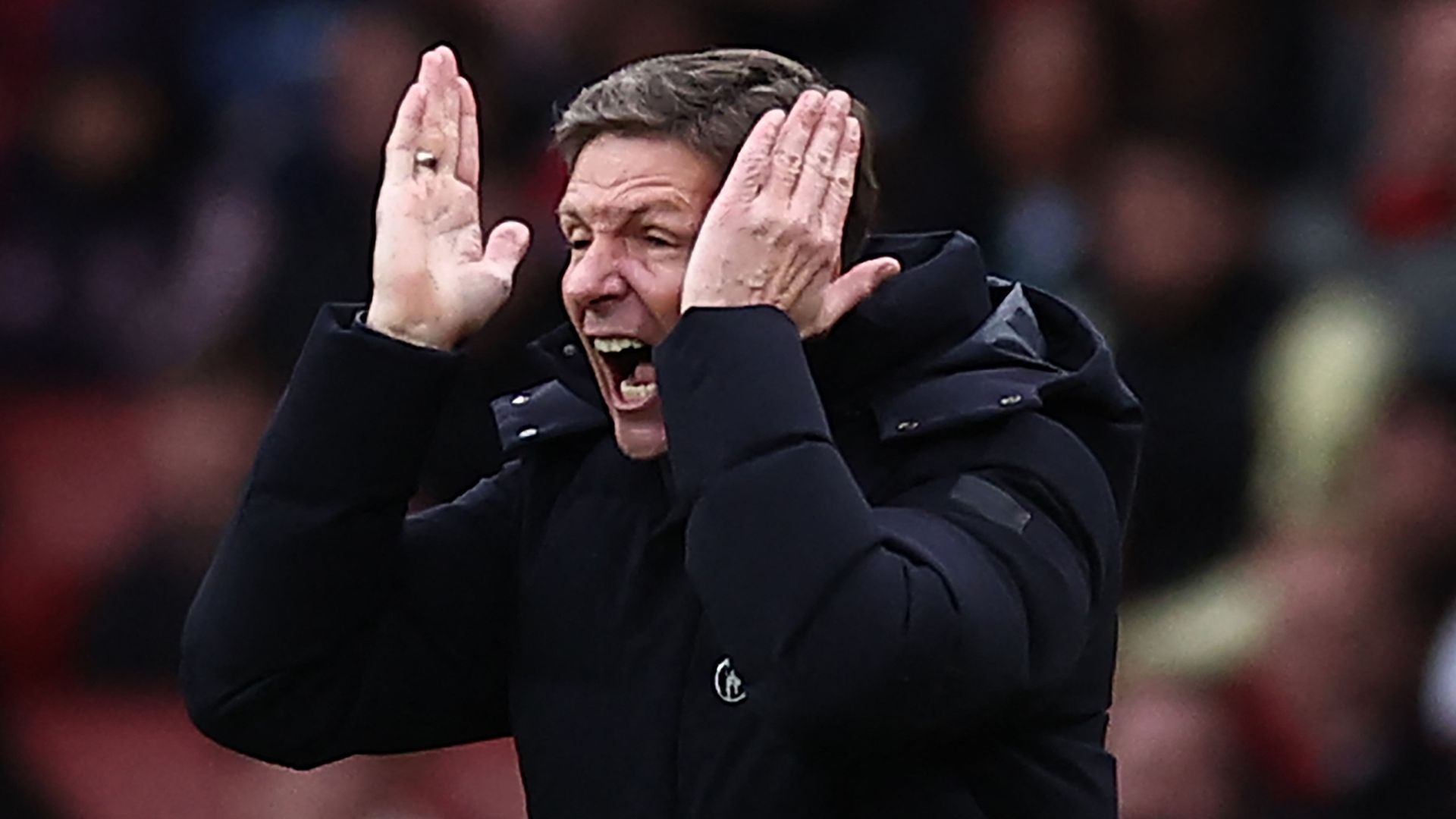
# "It's Irresponsible" - Glasner Fumes Over Palace's Potential Fixture Pile-Up
As the festive season approaches, the football calendar is notorious for its congested schedule, and this year is no different. Crystal Palace’s manager, Oliver Glasner, has raised concerns over the potential of facing a fixture pile-up in December. Following their recent success in the Carabao Cup, Glasner is frustrated by the possibility of his team playing two games within a short span of 54 hours. He argues that such a demand is not just challenging but outright irresponsible.
### Facing the Reality of Fixture Congestion
Crystal Palace has made a notable run in this year's Carabao Cup, reaching the quarter-finals—a testament to their resilience and skill on the pitch. However, celebrating this achievement comes with the reality of additional fixtures that could overload an already tight schedule. December is traditionally a month filled with matches, and with Palace advancing in the cup, Glasner has a valid concern about player welfare and performance sustainability.
In football, player fatigue can lead to suboptimal performances, increased injury risks, and ultimately affect a team's success in both domestic competitions and the league. Glasner articulated his frustrations, emphasizing that asking players to compete in back-to-back fixtures in such a short timeframe can have serious implications for their health and well-being.
### The Impact of Fixture Pile-Ups on Team Performance
Studies within sports science show that athletes exposed to fixture congestion often experience a decline in performance, both physically and mentally. Fatigued players may struggle with decision-making, agility, and concentration—key components of any successful match strategy. Glasner pointed out that not only does this risk a drop in form but it also puts players at an elevated risk of injuries, which could sideline crucial members of the squad during a critical part of the season.
Crystal Palace’s squad depth will surely be tested, but reducing the burden on players is essential for long-term success. The club has invested in a robust roster, yet challenging players to compete in rapid succession doesn’t ensure the best out of these talents. Instead, it can lead to burnout and misalignment in team dynamics as some players might be forced to step in at less-than-optimal fitness levels.
### Calls for Change in Scheduling
Glasner's comments reflect a broader concern within the football community regarding fixture scheduling, especially during busy periods like Christmas and New Year. Managers and players alike are calling for a reevaluation of how fixtures are planned, advocating for a more player-centric approach that prioritizes their health over commercial interests.
The Football Association and Premier League need to take these concerns seriously, addressing concerns raised by managers like Glasner. By doing so, they can work towards creating a more balanced scheduling system that allows teams to compete at a high level while safeguarding the physical and mental wellbeing of their players.
### Conclusion
As Crystal Palace gears up for a thrilling December, the words of Oliver Glasner resonate louder than ever. Recognizing the challenge of a potential fixture pile-up is essential in prioritizing player welfare in the ever-demanding world of football. As fans, we can hope that decision-makers will heed these warnings and make the necessary adjustments to the football calendar—ensuring a balanced approach that nurtures the game and its athletes alike.
Keep an eye on Palace's journey as they navigate the competitive landscape this December, and let's see if Glasner's calls for a more responsible fixture schedule will lead to positive changes in the future of English football.


Comments
Post a Comment