'It's irresponsible' - Glasner upset by Palace's congested schedule
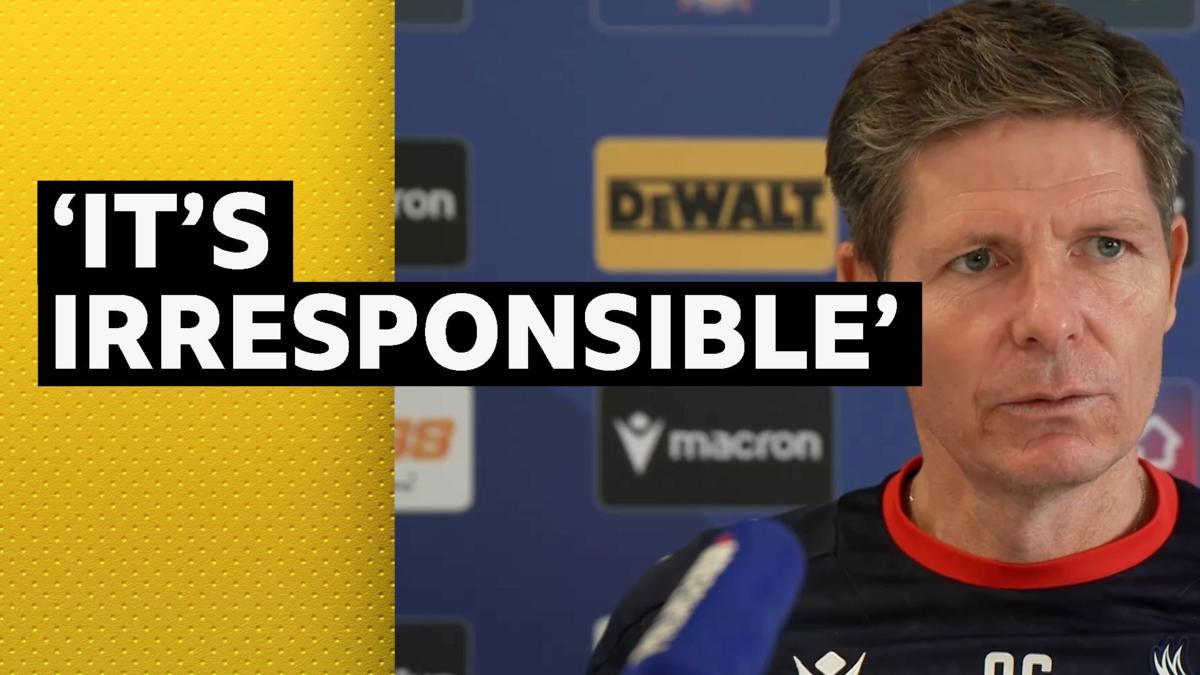
**Title: 'It's Irresponsible' - Glasner Upset by Palace's Congested Schedule**
In a recent press conference, Crystal Palace manager Oliver Glasner expressed his frustration over the club's congested fixture list, calling it “irresponsible†and urging governing bodies like the Premier League, UEFA, and FIFA to take responsibility for the welfare of players. With a mounting schedule that has fans concerned, Glasner's comments shed light on the growing issue of player fatigue in modern football.
The 2023/24 Premier League season has been relentless, throwing in multiple cup fixtures alongside league duties. For a club like Crystal Palace, which aspires to establish itself in the upper echelons of English football, the stakes have never been higher. As they found themselves juggling important Premier League matches with domestic cup competitions, the risk of player burnout becomes a lingering threat.
“Players are human, not machines,†Glasner said, emphasizing that the stringent schedule can harm not just individual players’ health but also the game as a whole. His sentiments resonate with fans and players alike, as the frantic pace of modern football has placed immense pressure on athletes who already navigate a grueling season. The manager pointed out that the increasing frequency of fixtures often compromises quality, as players struggle to perform at their best while managing fatigue.
Club officials and managers have raised concerns before, but Glasner's comments underscore the urgency of this issue. Many fans have noted that the packed schedule can lead to subpar performances and increased injuries, as seen in previous seasons. With the league asking players to squeeze in a multitude of matches without adequate recovery time, Glasner’s call for reform has never been more timely.
Glasner's appeal to governing bodies comes amid ongoing discussions about potential changes to the football calendar. Advocates for reform suggest a more balanced approach that includes fewer matches, better scheduling, and additional rest periods. Achieving such changes requires collaboration between the Premier League and football governing bodies worldwide, but the urgency of this matter cannot be overstated.
Concerns about player welfare have grown louder, especially with the upcoming international break, where players can face additional commitments while representing their national teams. Glasner highlighted that players should not have to compromise their health in the name of commercial interests or in pursuit of trophies. He appealed for greater wisdom from those in charge, citing that the health of the sport's key assets – the players – ought to take precedence.
As fans, we all want to witness thrilling football matches, but not at the cost of seeing our favorite players sidelined due to injuries. Glasner's passionate plea is a reminder that while the beauty of competitive sport captivates us, the well-being of those who play it should be paramount. The message is clear: the football ecosystem must evolve to create a more sustainable model that recognizes and adapts to the challenges posed by high-frequency fixtures.
In conclusion, Oliver Glasner’s frustrations echo a larger sentiment within the football community. The need for reform is pressing, and as the discussion continues, it is hoped that appropriate actions will be taken by the Premier League, UEFA, and FIFA to prioritize player health, echoing the calls for responsibility in a game that thrives on its most valuable players. Only time will tell if Glasner’s appeal leads to meaningful change in a sport that fascinates millions around the globe while demanding so much from its participants.


Comments
Post a Comment