'It's quite exciting' - Moyes on the PL's set-piece trend and timeless tactics
**Title: 'It's Quite Exciting' - Moyes on the PL's Set-Piece Trend and Timeless Tactics**
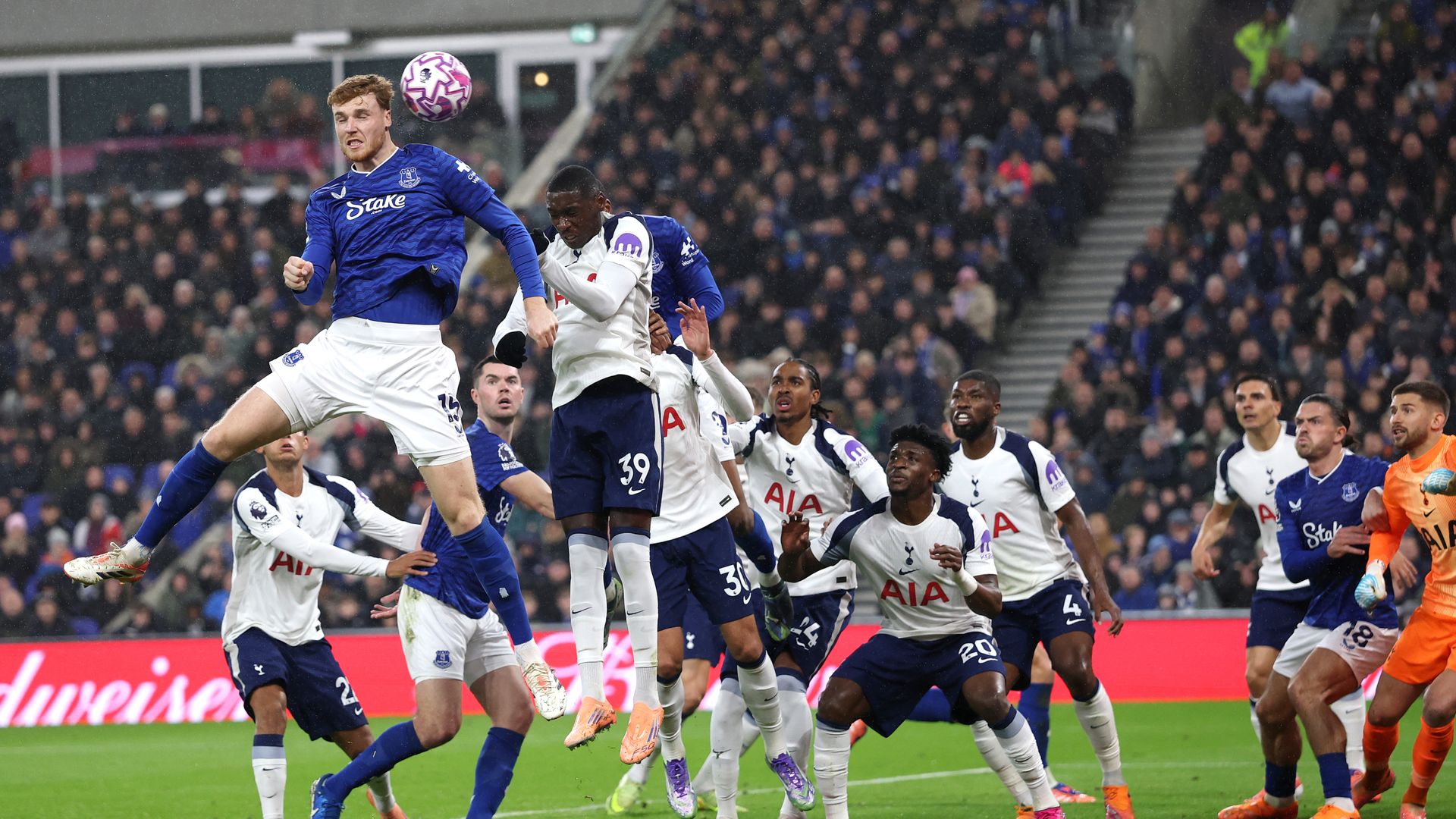
In recent seasons, the Premier League has witnessed a notable shift in tactical approaches, particularly concerning set-pieces. Managers across the league have increasingly recognized the value of dead-ball situations as an avenue to maximize scoring opportunities. West Ham United’s David Moyes has been at the forefront of this evolution, enthusiastically embracing and mastering the art of set-pieces. As he put it, "It's quite exciting," and for good reason. The intrigue surrounding set-pieces adds a dynamic flair to the beautiful game, with countless teams now reaping the rewards of well-executed routines.
Set-pieces—comprising corners, free-kicks, and throw-ins—have often been regarded as mundane occurrences in football. Nevertheless, the modern Premier League has witnessed a renaissance of these traditional tactics, transforming them into potent weapons. Clubs like Liverpool, Manchester City, and Chelsea have all showcased the effectiveness of incorporating sharp, strategic dead-ball plays into their arsenals. Precise routines designed during training sessions have started yielding results, changing the trend from a mere nuisance to a primary scoring opportunity.
David Moyes, known for his meticulous attention to defensive organization, has incorporated innovative set-piece strategies into West Ham’s game plan, elevating their performance levels. His appreciation for set-pieces stems from their potential to change the course of matches, as they often arise in critical moments. A well-practiced corner kick can be the difference between a win and a loss, making it essential for teams to study their opponents and practice alternative methods constantly. Moyes emphasized this importance, stating that the significant shift towards set-piece reliance speaks to the broader evolution of football tactics.
His team has seen tangible benefits from this paradigm shift. West Ham’s record showcases their effectiveness, with a notable percentage of their goals coming from set-pieces. Termed "the lost art" by some pundits, set-pieces have been revived as teams focus on creating specialized roles for players during these situations. Moyes has often remarked on how modern football managers are now entrusting one or two individuals with the responsibility of designing and executing set-piece plays, transforming a once overlooked aspect of the game into a major tactical consideration.
Another factor contributing to the excitement of this trend is the increasing sophistication of technology used for analysis and training. Coaches can now break down opponents' defensive weaknesses during dead-ball situations, allowing them to develop highly focused and tailored routines. This data-driven approach has prompted a wave of innovation in set-piece execution throughout the league.
Moreover, the thrill of unpredictability and creativity during set-pieces makes them a fan favorite. Players are more daring, attempting complex curls, volleys, and direct strikes, delivering mesmerizing moments and thrilling gameplay. The electrifying atmosphere that pops off a perfectly executed corner kick echoes through stadiums, showcasing the beautiful game’s ability to pivot in unexpected ways.
As Moyes and other managers continue to adapt to the changing landscape of football, set-pieces signify a return to fundamental tactics—an art form that, when practiced with precision, challenges defenses and delights fans. "It's quite exciting," Moyes reiterated, and indeed, as the Premier League evolves, so too does the excitement around revitalized strategies like set-pieces that promise to keep supporters on the edge of their seats. With passionate managers and skilled players willing to innovate, the future of set-piece tactics in the Premier League appears brighter than ever.


Comments
Post a Comment