Jurgen Klopp on fixture congestion: 'I survived easily without watching one game' of FIFA Club World Cup
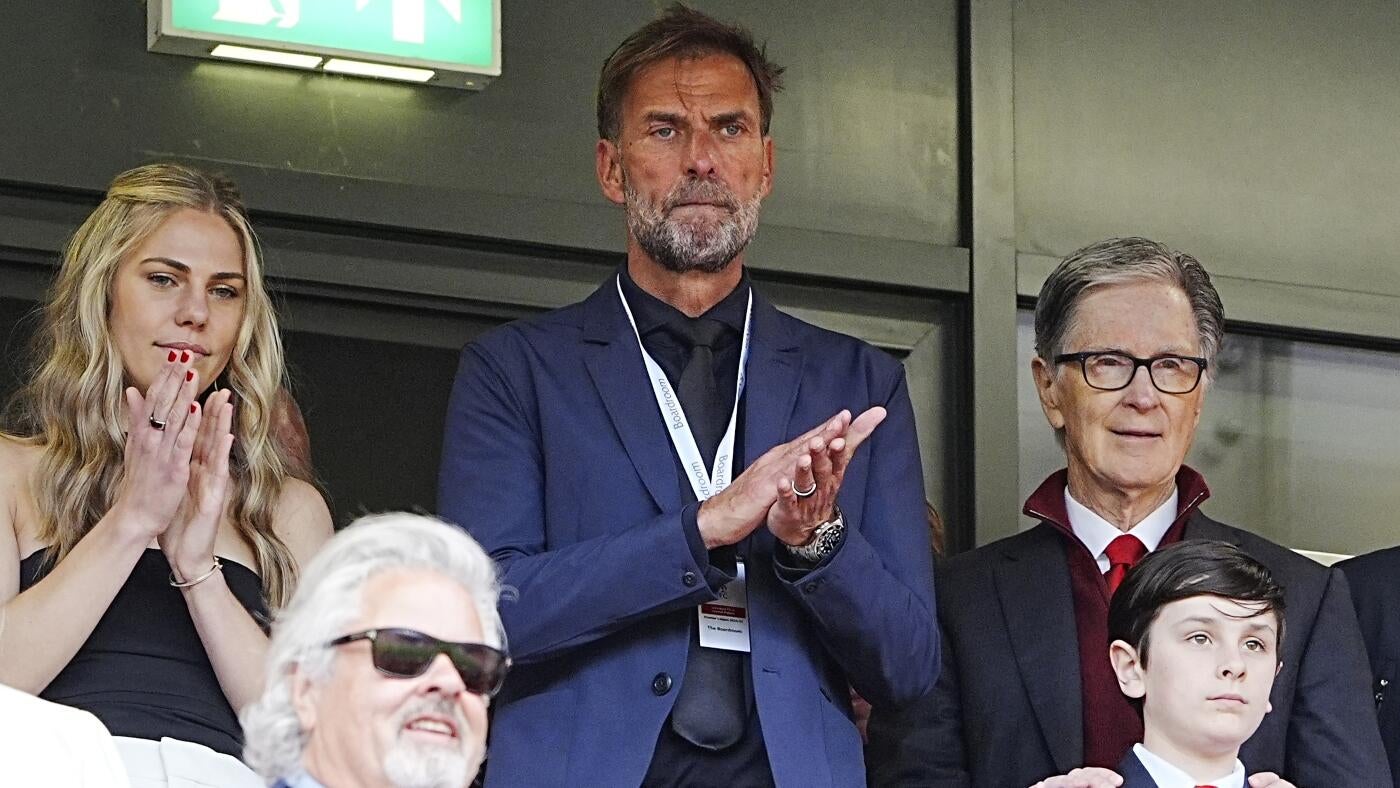
“I Survived Easily Without Watching One Game†— Klopp’s Stand on Fixture Congestion
In a football era where more matches, tournaments, and commercial incentives seem to be relentlessly stacked onto the calendar, Jurgen Klopp has made one thing abundantly clear: enough is enough.
In a recent interview, Klopp — now serving as Red Bull’s head of global soccer — revealed that he essentially boycotted the expanded Club World Cup this summer, stating, “I survived easily without watching one game.â€
CBSSports.com
Let’s dig deeper into what led to that moment, what he’s saying about the state of the game, and why his views matter.
The Context: More Games, Less Rest
Expansion of the Club World Cup & Fixture Overload
The new Club World Cup format, staged in the U.S. this past summer, expanded from 8 to 32 teams — a move that added a whole new layer of matches during preseason and transition periods.
Wikipedia
+2
Reuters
+2
For Klopp, this was the straw that broke the camel’s back. He has long been vocal about the dangers of stacking competitions — especially when player welfare becomes a secondary concern.
Klopp’s Criticism: What He Called Out
In the interview, Klopp didn’t mince words:
He warned that player fatigue and injuries are becoming inevitable when scheduling isn’t carefully managed.
CBSSports.com
He mocked the sheer will of governing bodies to keep adding fixtures:
“They cannot get enough… That’s not great.â€
CBSSports.com
He traced part of the problem to the UEFA Nations League, which turned traditional international breaks into competitive windows rather than friendlies.
CBSSports.com
He also poked at the disconnect between decision-makers and people in the “day-to-day business of football.â€
Reuters
+2
CBSSports.com
+2
On his own boycott:
“I survived easily without watching one game.â€
CBSSports.com
He adds that he did not even watch Red Bull Salzburg (a club under his purview) in the competition.
CBSSports.com
Why Klopp’s Silence Speaks Volumes
It’s not just the words he used — it’s the act of refusing to pay attention.
A public boycott of a major tournament signals serious unhappiness.
By turning away from the spectacle, he distances himself from normalization of the schedule creep.
It also sends a message to players, fans, and administrators: that this fatigue issue is not trivial or exaggerated.
Supporting Voices & Wider Debate
Klopp is hardly alone in raising alarm bells:
FIFPRO, the global players’ union, has pushed for an overhaul of the calendar, warning of burnout and injury risk under the current trajectory.
Reuters
Many clubs (e.g. PSG, Chelsea) have already seen injury issues emerge in recent seasons — injuries that Klopp referenced in connection to congested scheduling.
CBSSports.com
+1
Some defenders of the expanded tournaments, like Arsène Wenger (FIFA’s Chief of Global Football Development), argue that broader global club competition has long-term growth value.
Talksport
The clash is clear: commercial ambition and global exposure versus player welfare and sustainable performance.
What Klopp’s Stand Means for the Game & Its Future
Red Lines for Player Welfare
Klopp’s refusal to engage with the Club World Cup — even passively as a viewer — underscores how seriously he views the health and performance costs.
Catalyst for Reform
As a respected voice, his stance may pressure FIFA, UEFA, and confederations to revisit congested calendars.
After all, he’s not just an ex-coach — now part of the administrative structure of the sport.
Already, talk of scaling back or restructuring tournaments is gaining traction.
Empowering Players’ Voices
Klopp has emphasized that decisions should involve those on the pitch — the players — not just administrators who never experience the grind.
CBSSports.com
+1
Fan & Media Awareness
Having major personalities call this out helps shift the narrative: fatigue and overkill aren’t just “part of being a professional.†They’re symptoms of a system under strain.
Possible Counterarguments & Challenges
Commercial Incentives
Governing bodies and clubs see revenue and growth opportunities from expanded tournaments. The pull is strong.
Global Branding vs. Local Leagues
Some argue that global club tournaments help “grow football’s footprint,†especially in emerging markets.
Fixtures as Part of Elite Success
Big clubs often expect to compete across multiple fronts; trimming competitions can upset hierarchies.
But Klopp’s point is that these imperatives shouldn’t override human limits.
Final Thoughts
Jurgen Klopp’s recent comments are more than a critique — they’re a referendum on priorities in modern football. By refusing to even watch the expanded Club World Cup, he’s staking a claim: the sport is at a breaking point.
Whether governing bodies respond, or how they adjust, remains to be seen. But for now, Klopp’s message is hard to ignore: more games don’t always mean better football — sometimes, it just means more fatigue, more injuries, and fewer voices heard above the roar of the schedule.


Comments
Post a Comment