Real Madrid's legal battle with UEFA over failed Super League EXPLAINED
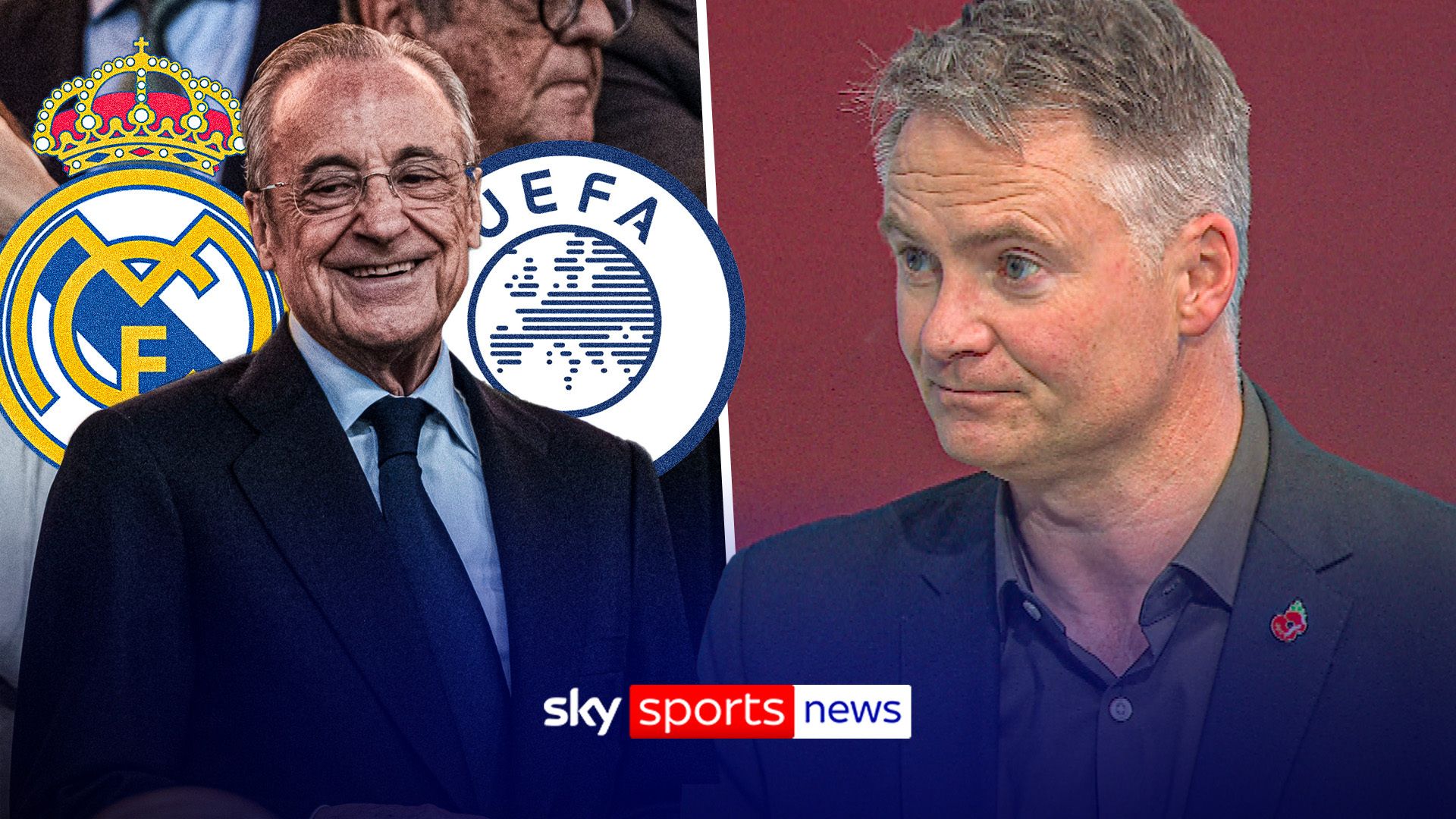
# Real Madrid's Legal Battle with UEFA Over Failed Super League EXPLAINED
In recent months, the topic of the European Super League — and its subsequent collapse — has continued to dominate the conversations around European football. Central to this narrative is the ongoing legal battle between Real Madrid and UEFA, which has taken on a new dimension following the latest developments.
In a landmark decision, Real Madrid secured a significant legal victory against UEFA, marking an essential chapter in their push for the revival of the Super League. This ruling has not only been a momentous win for the Spanish giants but also sets a concerning precedent for UEFA's authority and governance.
### The Genesis of the Super League
To understand the legal implications of Real Madrid's victory, it's essential to revisit the formation of the European Super League in April 2021. Intended as a breakaway tournament featuring the elite clubs across Europe, it was proposed as an alternative to the traditional UEFA Champions League. Real Madrid, along with other prominent clubs such as Barcelona, Manchester United, and Juventus, was a driving force behind this initiative. However, the proposal faced immense backlash from fans, pundits, and football associations, leading to the withdrawal of all participating clubs within days.
Following its collapse, UEFA moved to impose sanctions on the clubs involved, particularly targeting the founding members. Real Madrid found this unacceptable and decided to take legal action against the governing body, alleging that UEFA was abusing its dominant position in European football.
### The Legal Victory
On October 3, 2023, Madrid's legal team achieved a significant victory in the Madrid court, which ruled that UEFA's disciplinary actions against the Super League clubs were indeed disproportionate. The court effectively denied UEFA the right to enforce any financial penalties or bans on clubs involved in the Super League. This pivotal ruling comes as a resounding endorsement of Real Madrid's stance against UEFA, emboldening them in their quest for a new football power structure.
### What This Means for Real Madrid
Following this victory, Rob Dorsett, a prominent sports journalist, has noted that Real Madrid is now poised to "seek substantial damages" against UEFA. It’s suggested that the club will attempt to hold UEFA accountable not just for the perceived financial impact of the Super League's failure, but also for the reputational damage suffered during what has been a tumultuous period for the club.
The ramifications of this legal battle extend beyond Madrid itself. Should Real Madrid be successful in their pursuit of damages, it could provide a financial impetus for other clubs still sympathetic to the Super League vision. A simultaneous challenge to UEFA's governance mechanisms could lead to a re-evaluation of their existing structures, and the prospect of a third-party arbitration system may be explored.
### The Wider Implications
Real Madrid's legal challenge serves as a cautionary tale for UEFA, illustrating the complicated, evolving dynamics of football governance. As clubs seek greater autonomy and financial independence, the potential for further fragmentation looms. The question also arises: could this set a precedent for other clubs to challenge UEFA’s authority?
In conclusion, Real Madrid's legal victory against UEFA signals a significant shift in European football’s landscape, ushering in an era where clubs may increasingly contest regulatory powers. As the battle continues, the football community will be watching closely, knowing that Real Madrid and the remnants of the Super League are just getting started.


Comments
Post a Comment