Sacked in the Morning
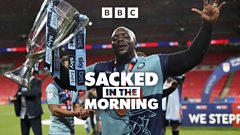
**Sacked in the Morning: Football's BIGGEST Cult Hero. Literally.**
In the world of football, few legends have transcended the sport to become cult heroes, while even fewer have done so with a moniker that packs a punch. Enter "Sacked in the Morning," a name that has ignited passion among fans and baffled opponents alike. This tongue-in-cheek title, inspired by the real-life adventures and misadventures of a unique figure in football lore, represents more than just a nickname—it symbolizes the rollercoaster of emotions that define the beautiful game.
At the heart of this story lies a spirit that embodies the highs and lows of football, perfectly encapsulated in a character who has seen it all. But who is this footballing icon that fans have fallen in love with? It's no one less than the charismatic former manager, Ken "Sacked in the Morning" Whittingham. Known for his unorthodox tactics and colorful press conferences, Whittingham has become the epitome of the football underdog narrative. His career has been marked by dramatic triumphs, resounding defeats, and the ultimate irony of being "sacked" as often as he led teams to victory.
Whittingham’s journey through the football wilderness began at a modest club in the lower leagues. Here, he garnered attention for his unconventional methods that often left pundits divided. With each of his tactical decisions—whether they were calculated risks or acts of pure desperation—he managed to capture the imagination of fans. His trademark phrase, “Sacked in the morning,†became a rallying cry for supporters who reveled in the unpredictability he brought to the pitch. Whether his team emerged victorious or faced yet another defeat, one thing was certain: fans were always entertained.
This cult hero status grew as Whittingham transitioned through several managerial roles, often with a short leash but a long-lasting impact. His time at various clubs saw him rise from the obscurity of local clubs to the limelight of national attention. Notorious for the unusual antics he showcased in post-match interviews, he carved a niche as the personality that the media couldn't resist. His quotes and quips soon became iconic—even reaching meme-level fame, often circulated across social media platforms.
While some may argue that a manager's job is typically defined by their achievements on the field, Whittingham proved that charm and wit can win hearts, even when results are inconsistent. In the age of social media, his personality continued to grow, allowing him to connect deeply with supporters who admired not just his tactical mind, but his ability to defy convention. Recognizing the fickleness of football management, he took each dismissal with a grain of salt, often posting humorous tweets each time he was "sacked."
In an era where football has become increasingly commercialized and predictable, the rise of “Sacked in the Morning†serves as a reminder of the joy found in football's unpredictability. His story embodies the highs and lows of the sport, celebrating failure as much as success. Whittingham remains a testament to the idea that football is more than just a game; it is a manifestation of passion, loyalty, and an undying connection between managers, players, and fans.
So the next time you hear the phrase "Sacked in the morning," don’t just think of a managerial downfall; think of the cult hero who reminded us all that in football, anything is possible. For as long as there are highs and lows, there will always be stories as captivating as Ken Whittingham’s—an authentic masterclass in embracing the unpredictable nature of football.


Comments
Post a Comment