Scholes stopped commentary work to care for son
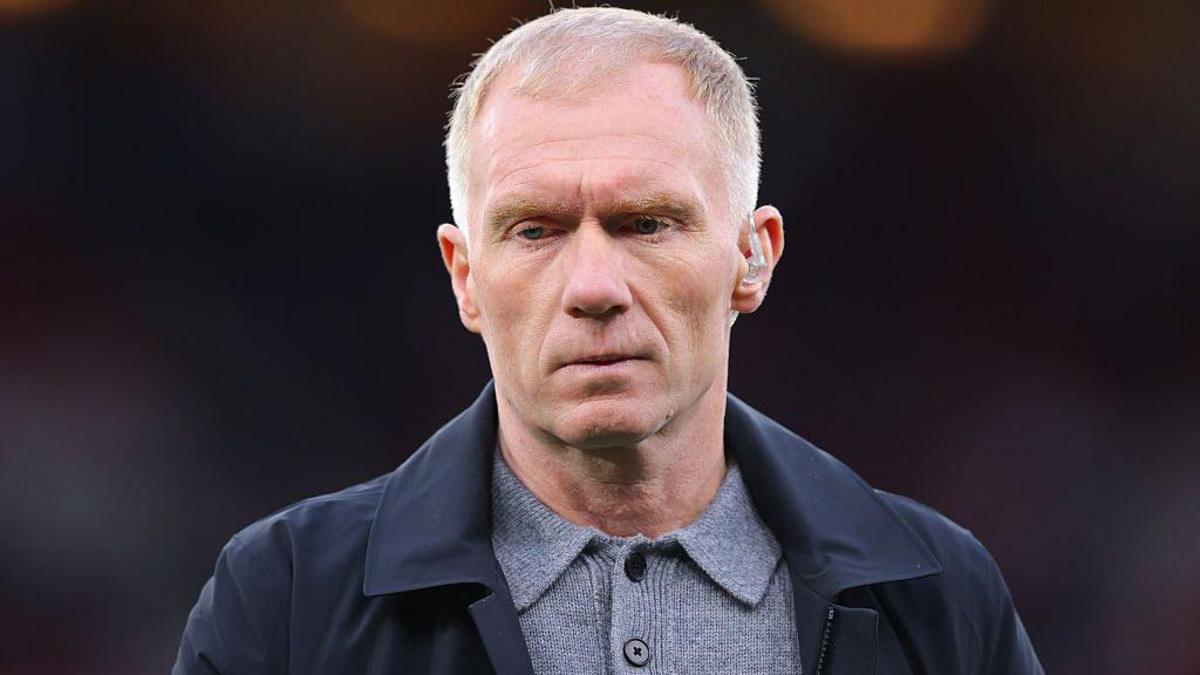
**Scholes Stopped Commentary Work to Care for Son: A Father's Commitment to Family**
In a heartwarming revelation, former Manchester United midfielder Paul Scholes has brought attention to the sacrifices and adjustments made by many parents who care for children with special needs. Scholes, who has enjoyed a successful career as a footballer and a commentator, recently disclosed that he stepped away from his commentary duties to be more present for his son, who has autism.
This life-altering decision reflects not just the understanding of a devoted father but also the immense challenges faced by parents navigating the complexities of autism. Scholes' choice resonates deeply in a society where individuals balancing work and family commitments often feel stretched too thin.
Scholes, who made over 700 appearances for Manchester United and is widely regarded as one of the club's greatest players, transitioned into a role as a commentator after retiring from professional football in 2013. His insights and analyses were widely praised, showcasing his in-depth understanding of the game. However, as his son grew, the demands of both his professional and personal life began to clash.
"My son was diagnosed with autism, and it was a real eye-opener for me," Scholes stated in a recent interview. "As I learned more about his needs and the importance of routine in his life, I realized that I needed to adjust my own schedule to be there for him."
The choice to prioritize family over professional commitments highlights an increasingly important topic: the need for flexibility in the workplace for parents dealing with special needs children. In many instances, the standard 9-to-5 job structure does not accommodate the various therapies, appointments, and daily routines that such families navigate.
Scholes' candidness serves as a reminder of the reality many families face, where the love and responsibility for a child can lead to significant lifestyle changes. His commitment to his son amplifies the ongoing dialogue surrounding mental health, family welfare, and the societal expectations placed upon working parents.
Beyond Scholes, many parents in similar situations often grapple with feelings of guilt and inadequacy—burdened by the demand to maintain a professional identity while actively supporting a child's unique needs. Autism affects each child differently, and parents often find themselves needing to balance public responsibilities with private challenges. Scholes’ experience emphasizes the importance of prioritizing mental well-being, both for the parent and the child.
By stepping back from his commentary role, Scholes has not only become a better father but also a voice for others in the same situation. His story encourages open discussions about the importance of recognizing and supporting families who require adaptable work environments.
Advocating for understanding and flexibility in workplaces can ease the burdens faced by parents with special needs children. By sharing his journey, Scholes embodies an important lesson: the greatest commitment one can make is often to family.
As the football community rallies around Scholes' decision, it sparks a broader conversation on inclusion, support for parents, and the understanding that each child deserves the attention and care they need to thrive. Scholes' story reminds us that while professional successes are commendable, the role of a loving parent is, without question, the most significant achievement of all.


Comments
Post a Comment