Skinner says mental health of managers 'a huge concern'
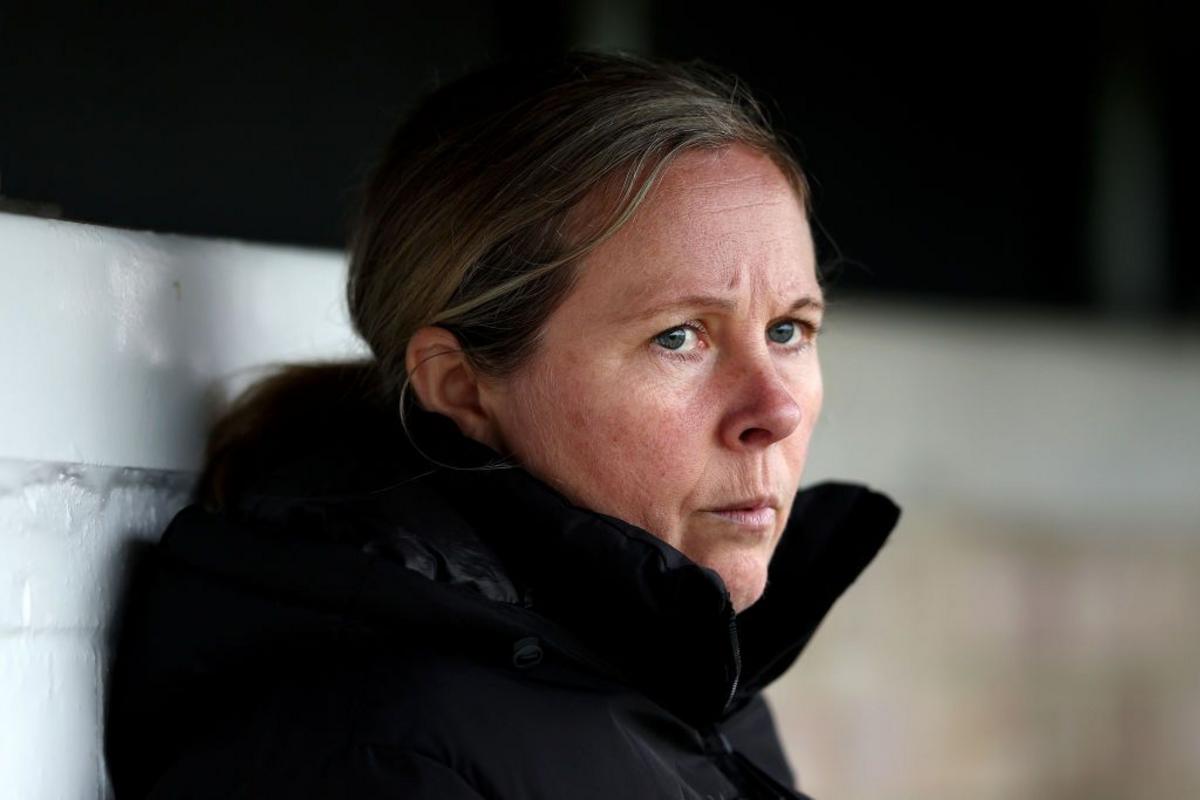
**Title: Skinner Says Mental Health of Managers 'A Huge Concern'**
In the world of competitive sports, emotional resilience and mental fortitude are paramount, yet they often take a backseat to the fast-paced nature of results-driven environments. Rehanne Skinner, the current manager of West Ham United Women, is shedding light on a significant issue that has long been neglected within the realm of football—mental health among managers. Acknowledging the often lonely and isolating nature of their roles, Skinner has sparked an essential conversation within the Women's Super League (WSL) about the emotional pressures faced by coaches.
As one of the leading figures in women’s football, Skinner understands the relentless demands of managerial positions, especially in a highly competitive league like the WSL. “It is a huge concern,†she stated in a recent press conference. “Mental health issues in football are akin to those in other high-stress professions, but the stigma surrounding them can prevent many coaches from seeking help or even discussing their struggles.†Her candid acknowledgment of loneliness resonates with many who have faced similar pressures, illustrating how prevalent this issue is across the league.
The dual pressures of performance and expectations create an environment where managers can feel overwhelmed. Skinner notes that the isolation can sometimes feel insurmountable when victories are few and criticism grows louder. “You often feel like you’re under a microscope,†she explains. The fear of failure not only impacts the team's morale but can also take a significant toll on a manager's mental well-being.
Moreover, the heightened scrutiny surrounding women's football can exacerbate these feelings. While the sport has grown in popularity and witnessed increased media attention, it has also brought forth a wave of expectations that can weigh heavily on those at the helm. Skinner’s experiences reflect a broader trend in women’s sports that demands attention and sensitivity from clubs and governing bodies.
Skinner is advocating for a cultural shift in how mental health is perceived within football. She suggests that clubs should prioritize mental health resources and offer support systems designed specifically for coaches. Initiatives such as workshops, mental health days, and peer support networks could provide managers with the tools they need to handle stress and improve their overall well-being. Moreover, open conversations about mental health challenges can help to reduce stigma and encourage managers to seek help before burnout becomes inevitable.
In conversations surrounding mental health, Skinner emphasizes the importance of having a safe space for managers to share their experiences without judgment. The implementation of mentorship programs and access to mental health professionals can go a long way in making managers feel less isolated and more supported.
The conversation around mental health in football is gaining momentum, with many recognizing the need for systemic change. In truth, a manager's mental well-being directly impacts team dynamics and performance. Happy, healthy coaches are more likely to foster positive environments conducive to success on and off the pitch.
As Rehanne Skinner leads the charge for better mental health awareness in the Women's Super League, her commitment to addressing these concerns could catalyze a vital transformation within the sport. It’s time for clubs, players, and governing bodies to come together to support not just the athletes, but the often-overlooked individuals guiding them from the sidelines.
In essence, prioritizing mental health for managers is crucial—not just for their well-being but for the future growth and success of women's football as a whole.


Comments
Post a Comment