USMNT's lingering questions: Forward battle now a good problem, Tyler Adams' backup, seeking 90 good minutes
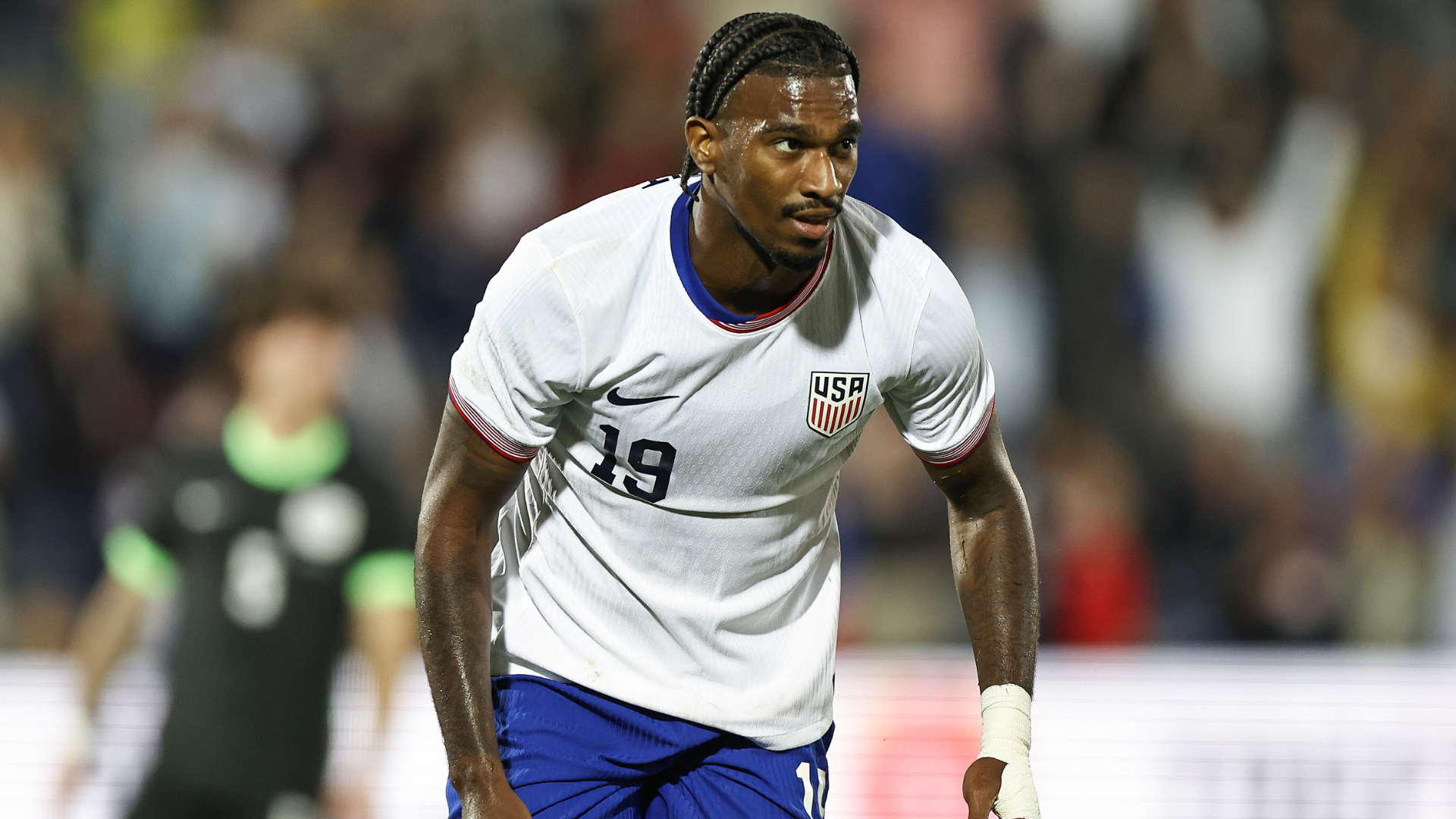
USMNT’s Lingering Questions: Forward Battle Now a Good Problem, Tyler Adams’ Backup, and the Search for 90 Good Minutes
The U.S. Men’s National Team continues to evolve as Gregg Berhalter fine-tunes his squad for the 2026 World Cup on home soil. The recent international window offered both reassurance and fresh debates, especially up front, in midfield depth, and in the team’s overall consistency.
Let’s break down the key storylines and lingering questions.
âš”ï¸ 1. The Forward Battle: Finally a Good Problem to Have
For years, the USMNT’s biggest concern was finding a reliable No. 9. Now, Berhalter might finally have too many good options.
Folarin Balogun, still adjusting to life in Ligue 1, remains the clear favorite due to his combination of pace, finishing, and positional instincts. However, Ricardo Pepi continues to make a case every time he steps on the pitch with his off-ball movement and work rate making him a tactical asset even as a super-sub.
Meanwhile, Josh Sargent’s resurgence at Norwich and Brandon Vázquez’s steady form in MLS and Liga MX create a competitive depth chart that the U.S. hasn’t enjoyed in decades.
✅ Verdict: The No. 9 role is no longer a weakness. It’s an open race among talented strikers with different styles. Berhalter will need to balance club form, chemistry, and matchup tactics.
🧩 2. Tyler Adams’ Backup: Still a Puzzle
If there’s one area of genuine concern, it’s the holding midfield position. Tyler Adams, when healthy, is the heartbeat of the USMNT’s structure, a destroyer who also keeps the ball moving. But his recurring injuries make one thing clear: the team needs a reliable Plan B.
Johnny Cardoso has impressed in flashes, offering composure and range of passing, while Yunus Musah can fill in during emergencies but thrives further up the pitch. Luca de la Torre adds creativity but lacks the defensive bite Adams brings.
Without Adams, the midfield tends to lose its shape and control in transitions, something evident in several recent matches.
🚨 Verdict: Finding Adams’ understudy remains Berhalter’s top priority before the next competitive cycle.
â±ï¸ 3. Consistency: Can the USMNT Play 90 Good Minutes?
The talent is there, but the performance curve remains uneven. The U.S. often looks sharp for 30 to 45 minutes, then drops intensity or loses rhythm after halftime.
This inconsistency isn’t just tactical, it’s mental. The squad, still young, sometimes struggles to maintain focus when faced with pressing teams or unexpected momentum swings.
As the 2026 World Cup approaches, Berhalter’s challenge is to instill a killer instinct: the ability to dominate both halves, manage game tempo, and turn chances into goals consistently.
💡 Verdict: The U.S. needs to evolve from “competitive†to “commanding.†Depth and maturity will be the deciding factors.
🧠Final Thoughts
The USMNT has moved from building a foundation to refining its identity.
The striker debate? A luxury problem.
The Adams question? A strategic gap.
The consistency issue? A test of leadership and mentality.
As the road to 2026 continues, these lingering questions aren’t signs of weakness. They are signs of a program entering its most promising phase yet.


Comments
Post a Comment